On AI Coding and Its Discontents
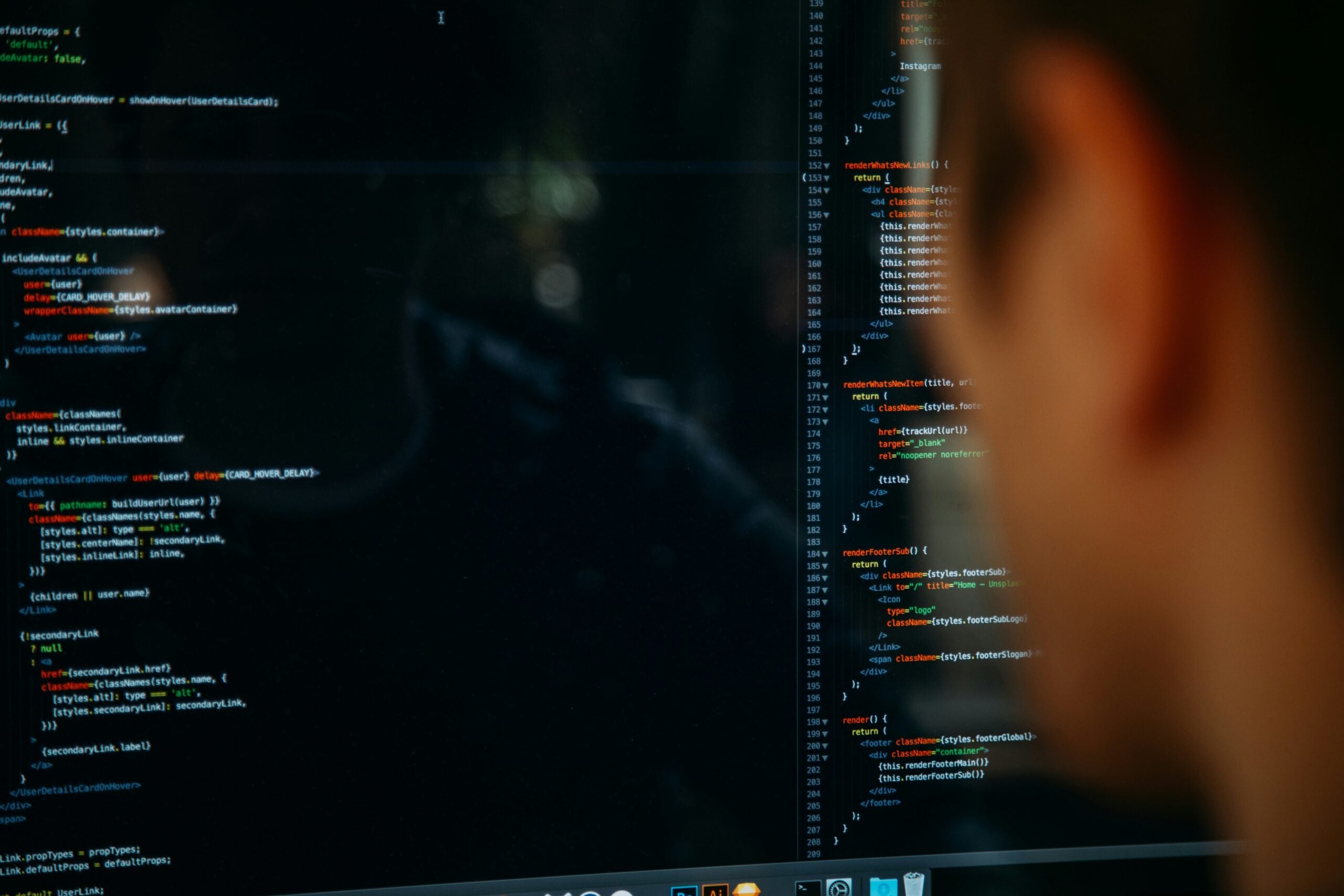
A senior Silicon Valley engineer who initially praised Claude Code for cutting a week's work to two days later reversed course after AI-generated code crashed their product twice, nearly costing him his job. The core problem: AI-produced code looks reasonable but contains hard-to-spot bugs, and reviewing code you didn't write is notoriously difficult — especially under velocity pressure. The engineer returned to writing code by hand, using AI only for narrow tasks like tests or throwaway scripts. Beyond reliability, full AI delegation creates a mind-numbing workflow, stunts junior developer growth, and is becoming prohibitively expensive as frontier labs reduce compute subsidies. The broader argument is that despite AI's best performance being in code and math — highly structured domains with abundant training data — the industry still hasn't figured out how to integrate these tools sustainably. AI coding tools are useful but not a magic solution, and should be treated as a normal technology rather than an infinity machine.