
Learn about common sprint closure issues in Agile teams and discover solutions to boost productivity and teamwork. Find out how to tackle unfinished tasks, improve sprint reviews, enhance retrospectives, meet sprint goals, and document effectively.
Sprint closure is crucial for Agile teams, but often comes with challenges. Here's a quick overview of 5 common issues and their solutions:
| Issue | Impact | Solution |
|---|---|---|
| 1. Unfinished tasks | Delays, low morale | Better estimates, break down tasks |
| 2. Poor sprint review | Misaligned expectations | Clear goals, proper preparation |
| 3. Unproductive retrospective | Missed improvement chances | Safe sharing space, varied formats |
| 4. Unmet sprint goals | Decreased team trust | Realistic goals, improved focus |
| 5. Bad documentation | Lost knowledge, hard to track | Closure checklist, assigned responsibility |
These fixes can boost productivity, teamwork, and product quality. Remember to communicate openly, set achievable goals, and regularly review progress to keep improving your sprint closures.
Related video from YouTube
1. Unfinished Sprint Backlog Items
What's the problem?
When teams can't finish all their sprint tasks, it causes:
- Project delays
- Lower team morale
- Inaccurate time estimates for future work
Why does this happen?
Common reasons for unfinished tasks:
- Taking on too much work
- Unexpected problems
- Poor time estimates
- Tasks that are too big
How to fix it
Here are three ways to handle unfinished sprint items:
| Solution | Description | Benefit |
|---|---|---|
| Move tasks back | Put unfinished work in the product backlog | Helps focus on key tasks |
| Improve estimates | Use past data to make better time guesses | Creates more realistic plans |
| Break down tasks | Split big jobs into smaller pieces | Easier to track and finish work |
2. Incomplete Sprint Review
What's the problem?
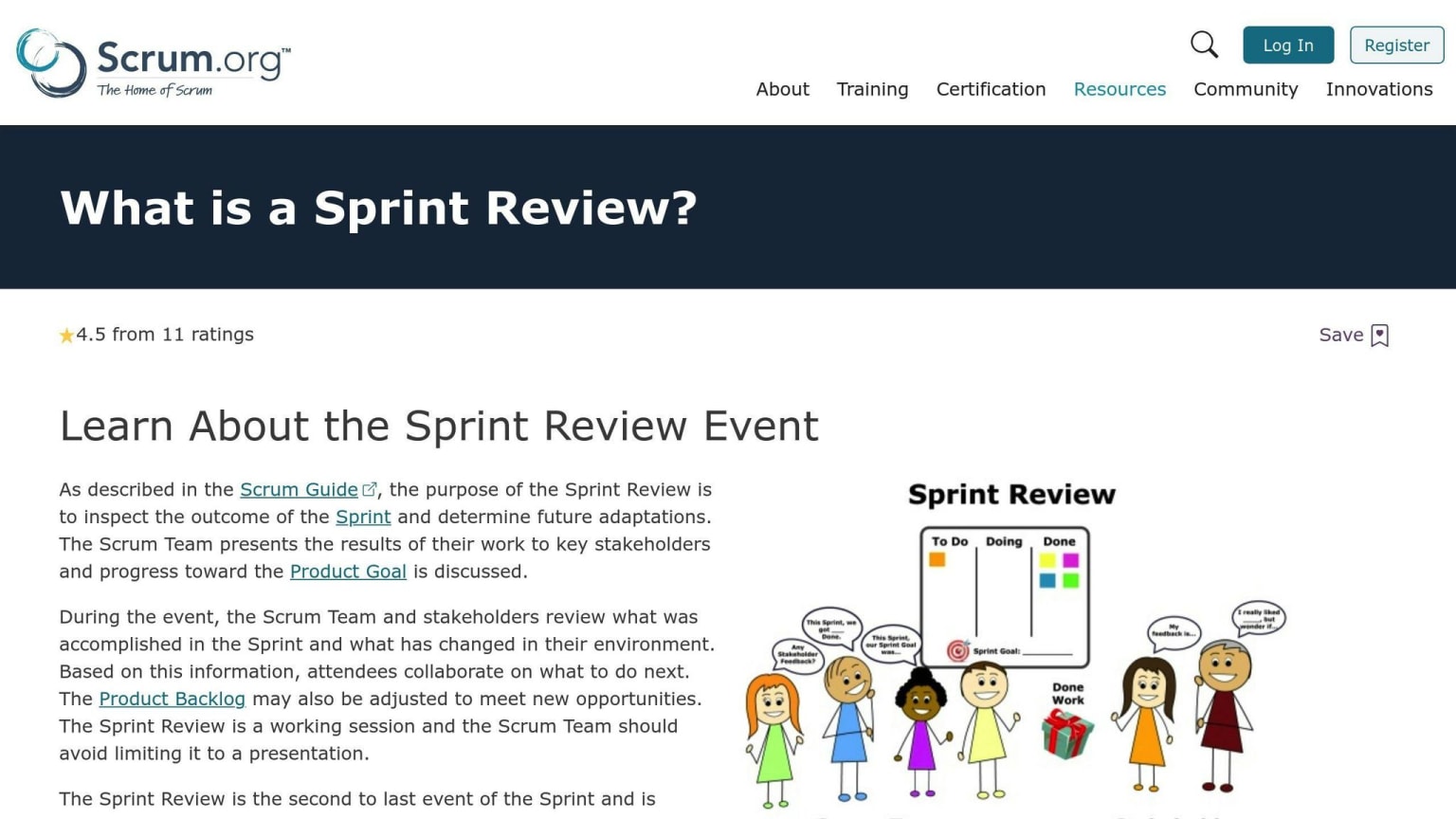
An incomplete sprint review can cause:
- Stakeholders not knowing what's going on
- Not getting enough feedback from stakeholders
- Wrong ordering of product backlog items
- Not showing all finished work
- Unproductive talks and choices
Why does this happen?
Common reasons include:
| Reason | Description |
|---|---|
| Poor prep | Team not ready to show their work |
| Missing people | Key stakeholders not there |
| Unclear goals | Not knowing what to show or talk about |
| Not enough time | Review rushed or cut short |
| Bad talking | Team and stakeholders not communicating well |
How to fix it
To make sprint reviews better:
Set clear rules and goals for the review
Make sure all important people are there
Get ready to show finished work before the review
Give enough time for the review and talking
Help team members and stakeholders talk openly
Ask stakeholders for their thoughts to help plan the next sprint
3. Unproductive Sprint Retrospective
What's the problem?
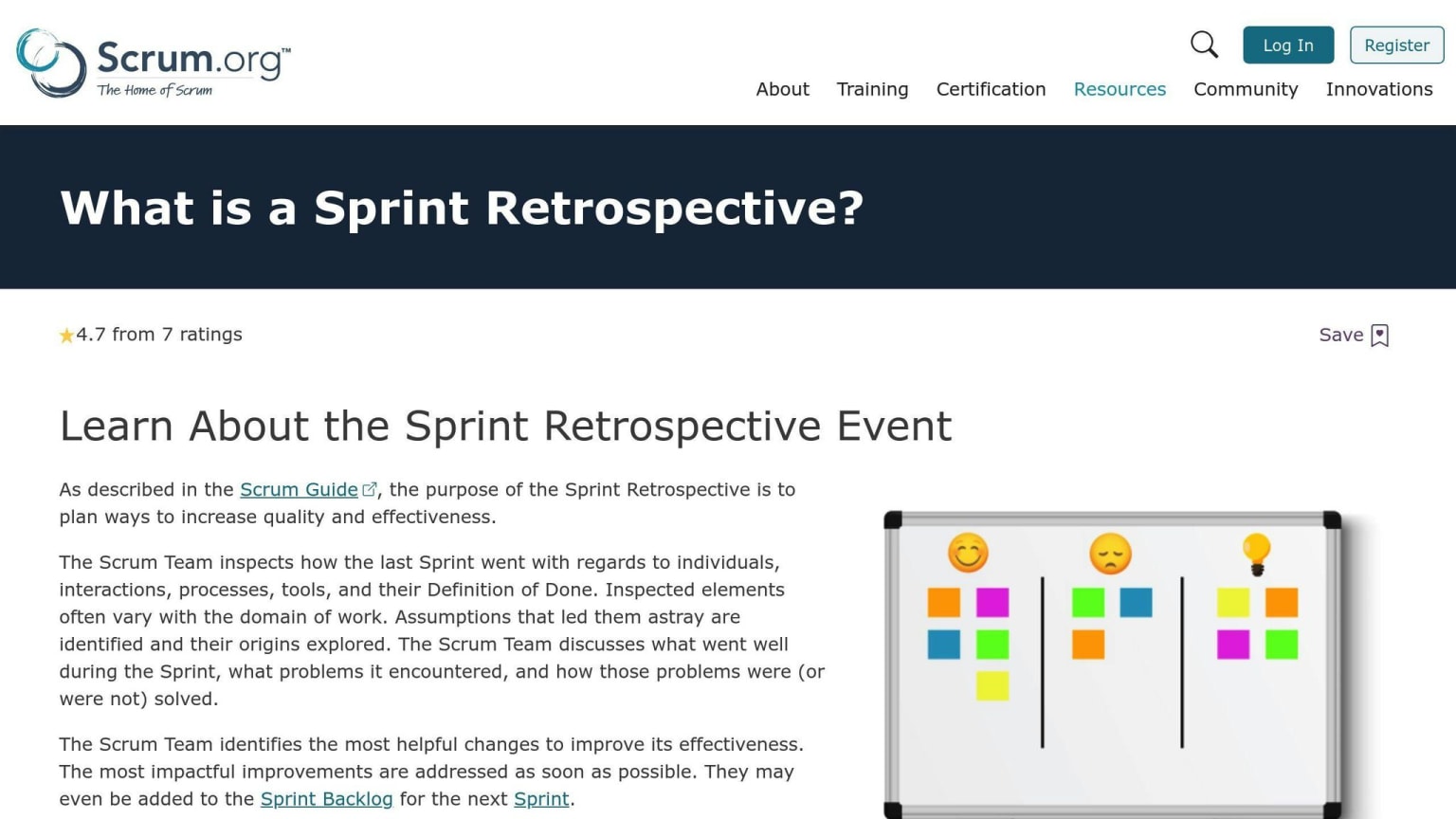
Bad sprint retrospectives can stop teams from getting better. This can make team members:
- Not want to take part
- Feel less motivated
- Think the meeting is pointless
Signs of a bad retrospective:
- Few people talking
- Problems not being fixed
- People not feeling okay to share thoughts
- No time to celebrate wins
Why does this happen?
Here's why retrospectives might not work well:
| Reason | Explanation |
|---|---|
| Team doesn't feel safe | People worry about sharing their real thoughts |
| Same format every time | The meeting feels boring and old |
| Not doing what was agreed | Teams don't follow up on tasks from last time |
How to fix it
To make retrospectives better:
- Make it safe to talk: Help everyone feel okay sharing their ideas.
- Try new meeting styles: Use different ways to run the meeting so it stays fresh.
- Do what you say: Give tasks to team members and set times to finish them.
4. Not Meeting Sprint Goals
What's the problem?
When teams don't meet their sprint goals, it can cause:
- Lower team spirit
- Less work done
- Less trust between team members
Signs of not meeting sprint goals:
- Unfinished tasks
- Work left over
- Team feels let down
Why does this happen?
| Reason | Explanation |
|---|---|
| Unclear goals | Team doesn't know what to do |
| Unrealistic goals | Too much work for the time given |
| Team not focused | Not everyone is working towards the same thing |
| Outside distractions | Unexpected tasks or changes get in the way |
How to fix it
To help teams meet their sprint goals:
- Set clear, doable goals
- Match goals with the product backlog
- Make sure the team can handle the work
- Improve team focus
- Cut down on outside distractions
- Set aside time just for sprint work
- Avoid doing too many things at once
- Check and change goals regularly
- Make sure goals are still possible to reach
- Adjust if needed
5. Poor Sprint Closure Documentation
What's the problem?
Bad sprint closure documentation can cause:
- Missing info about sprint results
- Hard to track changes made during the sprint
- Can't learn from past sprints
- Less teamwork and sharing of knowledge
Why does this happen?
| Reason | Explanation |
|---|---|
| No set process | No clear rules for writing down sprint closure info |
| Not enough time | Too little time given for writing things down |
| Unclear job roles | No one person in charge of documenting sprint closure |
How to fix it
To make sprint closure documentation better:
- Make a closure checklist
- Create a list of all the things to write down
- Make sure everyone uses the same list
- Give enough time for writing
- Set aside time just for documenting
- Make sure records are complete and correct
- Choose someone to be in charge
- Pick one team member to oversee documentation
- This person makes sure everything gets done right
Conclusion
To wrap up, sprint closure is a key part of Agile development. Fixing common issues during this phase helps teams work better and finish projects successfully. Let's recap the main points:
| Issue | Solution |
|---|---|
| Unfinished sprint items | Better planning, breaking down tasks |
| Incomplete sprint review | Clear goals, good prep, everyone involved |
| Unproductive retrospective | Safe space for sharing, new meeting styles |
| Not meeting sprint goals | Clear, doable goals, team focus |
| Poor documentation | Closure checklist, dedicated time, assigned person |
By tackling these problems, teams can:
- Get more work done
- Work together better
- Make better products
Here are some tips to keep improving:
- Talk openly with your team
- Set goals you can reach
- Look back on what you've done regularly
By doing these things, teams can spot areas to get better, make changes, and see how they're doing over time.
FAQs
What happens to unfinished tasks when closing a sprint?
When a sprint ends with incomplete tasks:
| Action | Explanation |
|---|---|
| Re-estimate | Team reviews and updates time estimates for unfinished work |
| Move to backlog | Incomplete items go back to the product backlog |
| Not a failure | Having unfinished tasks doesn't mean the sprint failed |
What should teams do at the end of a sprint?
Key actions for sprint closure:
| Task | Purpose |
|---|---|
| Clean up backlog | Remove old tasks from past sprints |
| Update work status | Mark items as done or in progress |
| Check team progress | Look at how much work was finished |
| Plan improvements | Discuss ways to work better next time |
Teams should focus on these tasks to wrap up the sprint neatly and get ready for the next one.