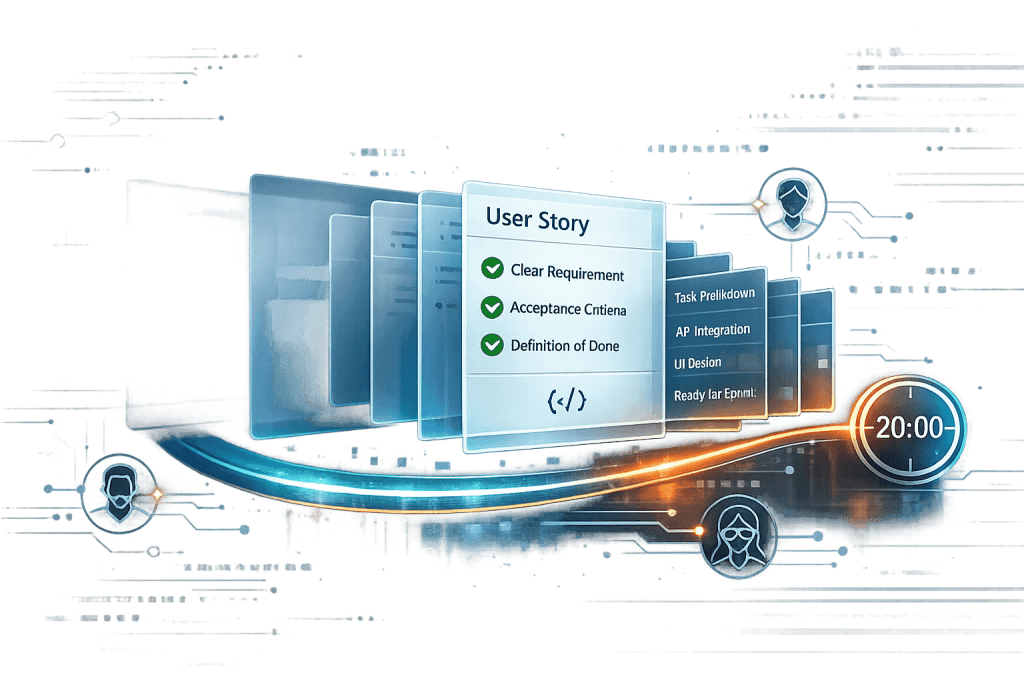
Discover strategies for integrating regulatory compliance into Agile environments. Learn how to leverage automation, foster collaboration, adapt frameworks, and track compliance for successful Agile implementation.
If you are working under SOX, HIPAA, PCI DSS, FedRAMP, or GDPR and your team ships every two weeks, you already know the standard advice doesn't fit. Quarterly control reviews can't keep up with a backlog that turns over weekly, and a SOC 2 auditor doesn't care that your sprint velocity is up.
The fix is not to bolt compliance onto Agile after the fact. It is to treat controls as a feature: scoped in sprint zero, written as code, and validated on every merge. That means audit trails generated by CloudTrail and Terraform state, not by a spreadsheet someone updates the night before an audit. It means NIST 800-53 control IDs and ISO 27001 Annex A clauses showing up in acceptance criteria, not in a separate compliance binder.
Here is what actually works:
- Integrate Compliance into Agile Processes
- Define user stories and acceptance criteria focused on compliance
- Include compliance tasks in sprint planning and retrospectives
- Form cross-functional teams with developers, compliance experts, and stakeholders
- Leverage Automation and Tools
- Use testing and validation tools to check regulatory standards
- Implement tracking and reporting tools to monitor compliance activities
- Utilize version control and audit trail systems to record changes
- Foster Collaboration and Communication
- Conduct regular compliance review meetings
- Share compliance information via documents and knowledge bases
- Cross-train Agile teams on compliance rules
- Adapt Agile Frameworks
- Incorporate compliance tasks into Agile ceremonies (e.g., sprint planning, definition of done)
- Conduct regular compliance review meetings
- Introduce dedicated compliance roles within Agile teams
- Track and Improve Compliance
- Monitor compliance metrics (e.g., defect rate, audit findings, violations)
- Conduct compliance-focused reviews to identify areas for improvement
- Implement process improvement initiatives to refine compliance practices
By integrating compliance into Agile processes, leveraging automation, fostering collaboration, adapting frameworks, and continuously improving, organizations can achieve regulatory compliance while maintaining Agile's flexibility and responsiveness.
Related video from YouTube
Regulatory Compliance in Agile
The Agile Approach
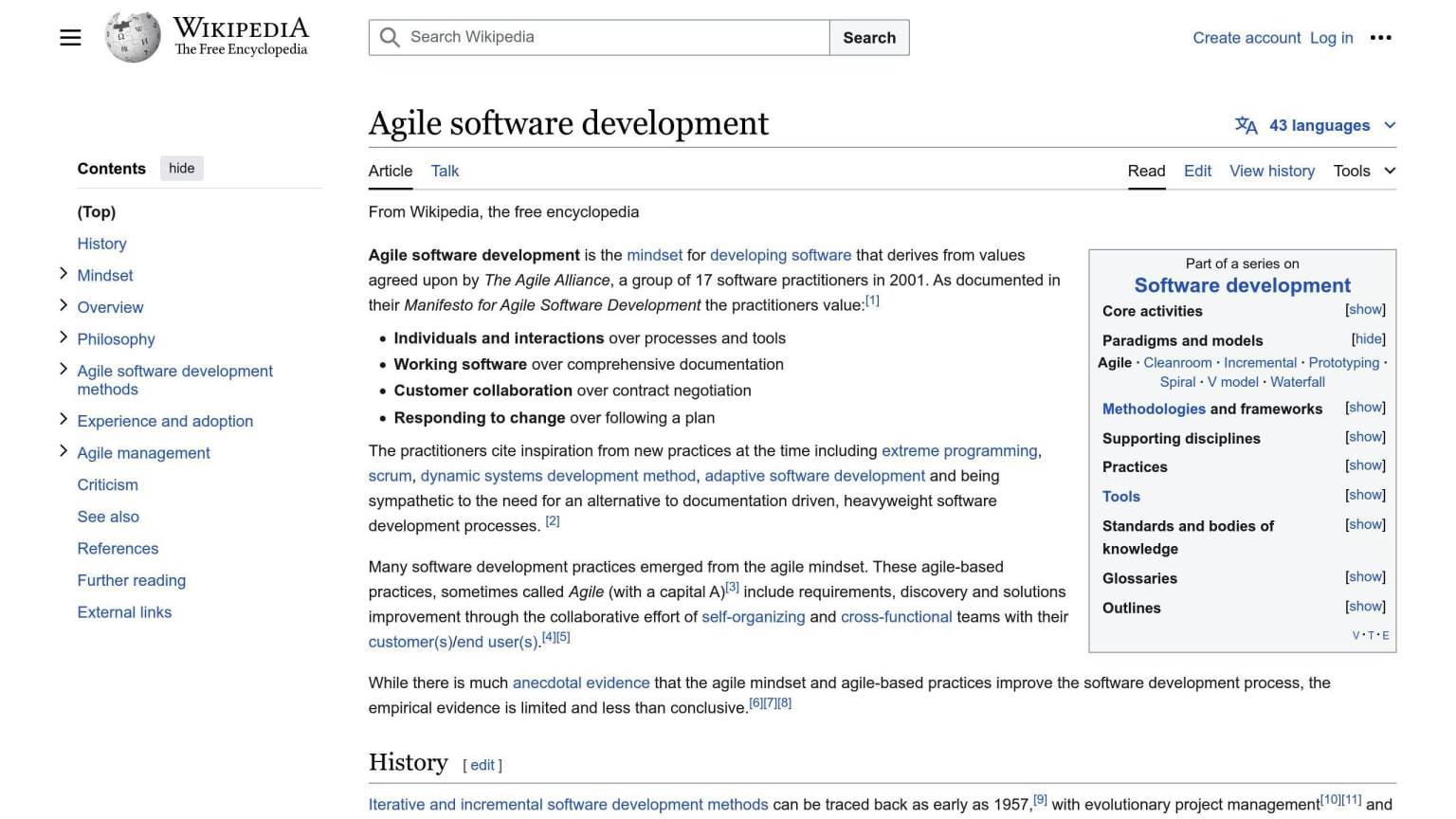
Agile methods focus on flexibility, teamwork, and continuous improvement. Teams work together to deliver working software in short cycles, called sprints or iterations, with constant feedback. This approach allows organizations to quickly respond to changing needs, customer demands, and new technologies.
However, the Agile mindset can clash with the rigid nature of regulatory compliance rules. Compliance often involves strict standards and procedures that must be followed, which can conflict with Agile's flexibility.
Where Agile actually breaks under regulation
The friction shows up in specific control families, not in vague "documentation challenges." If you map your pain to the framework, the fix gets obvious fast.
- SOX ITGC change management (COBIT-aligned): Auditors want segregation of duties on every production change. A two-person PR review with branch protection and a signed commit log satisfies this far better than a CAB ticket no one reads. Tie the GitHub approval event to the deployment record in your CI logs and you have your evidence.
- PCI DSS 6.4 and 11.3: Requires documented change control plus annual penetration testing. The change control part is solved by PR history; the testing requirement is where most teams cut corners. Run authenticated DAST in CI against the cardholder data environment on every release, not once a year.
- HIPAA 45 CFR 164.312 and HITRUST CSF: Access logs and audit controls. CloudTrail plus a SIEM with 6-year retention covers the audit log requirement. The harder part is proving access reviews happened, which is a quarterly Okta or AWS IAM Access Analyzer export, not a sprint task.
- FedRAMP Moderate (NIST 800-53 Rev 5): 325 controls. You cannot manually review these per sprint. The only path is OSCAL-based control documentation and continuous monitoring via tools like Prowler, Steampipe, or a commercial CSPM.
- GDPR Article 30 records of processing: Treat data flow diagrams as code. Update them in the same PR that adds a new third-party processor or a new data field. If your ROPA lives in a Word doc, it is already stale.
- ISO 27001 Annex A: The 93 controls in the 2022 revision can be mapped one-to-one with backlog labels. Make the mapping visible in Jira or Linear and the auditor walks themselves through the evidence.
Making Compliance Work in Agile
Keeping up with regulatory rules in Agile projects can be tricky. But there are ways to make it work. Organizations must build compliance into their Agile processes, use automated tools, and get teams working together.
Baking Compliance into Agile
Weaving compliance tasks into Agile is key. Here's how:
- Define user stories and acceptance criteria focused on compliance
- Add compliance tasks to sprint planning and retrospectives
- Form cross-functional teams with Agile members, compliance experts, and stakeholders
By doing this, regulatory needs get considered throughout development. This reduces the risk of non-compliance.
Audit trail as code beats audit trail as evidence binder
The single biggest leverage point is replacing manual evidence collection with infrastructure that produces evidence by existing.
- Terraform plus a remote state backend gives you a versioned, signed history of every infrastructure change. That is your SOC 2 CC8.1 evidence, generated for free. Pair it with Atlantis or Terraform Cloud so the plan and apply events are linked to a PR and an approver.
- AWS CloudTrail to S3 with Object Lock in compliance mode is tamper-evident logging that satisfies HIPAA, PCI DSS 10, and FedRAMP AU-9 in one move. Put a Glacier lifecycle on it and your retention cost drops to a rounding error.
- Open Policy Agent or Sentinel as a pre-merge gate catches policy violations before they ship. A Rego policy that blocks public S3 buckets is faster, cheaper, and more reliable than a quarterly review that finds the same bucket three months later.
- Drata, Vanta, or Secureframe automate the evidence collection layer. The real value isn't the dashboard, it's that the API integrations pull screenshots and configs on a daily cadence so you never have to ask an engineer to grab a screenshot of their MFA settings the week before an audit.
If an auditor can pull evidence from your systems without filing a ticket, you have done this right.
Teamwork and Communication
Good teamwork and communication between Agile teams, compliance pros, and stakeholders are essential. Try:
- Regular compliance review meetings to discuss needs and progress
- Shared docs and knowledge bases for compliance info access
- Cross-training to teach Agile teams about compliance rules
Adapting Agile for Compliance
Modifying Agile Practices
Agile frameworks like Scrum or Kanban can be adjusted to better meet compliance needs. One approach is to incorporate compliance tasks into existing Agile ceremonies:
- During sprint planning, identify and allocate resources for compliance activities.
- Include compliance checks in the "definition of done" to ensure each iteration meets standards.
Another approach is to modify Agile practices with a focus on compliance:
- Conduct regular compliance review meetings, similar to sprint retrospectives.
- Discuss compliance progress and identify areas for improvement.
By adapting Agile frameworks in these ways, compliance becomes an integral part of the development process.
Compliance Roles
Introducing compliance-focused roles within Agile teams can help ensure regulatory requirements are met:
Role
Responsibilities
Compliance Owner
or
Regulatory Liaison
- Guide the development process from a compliance perspective
- Identify compliance risks and opportunities
- Provide training and guidance to team members
- Collaborate with stakeholders to meet compliance needs
- Facilitate compliance reviews and audits
- Ensure awareness of regulatory changes and updates
Having a dedicated compliance role within the Agile team ensures that compliance is a top priority and that regulatory requirements are integrated into the development process.
Tracking and Improving Compliance
Compliance Metrics
To check if compliance efforts are working, set up metrics and key performance indicators (KPIs). These metrics give numbers to track progress, find areas to improve, and make sure rules are met. Some useful compliance metrics are:
- Compliance Defect Rate: The number of defects or non-compliant items found during development or testing. A lower rate means better compliance.
- Audit Findings: The number and severity of audit findings related to compliance issues. Tracking this helps identify areas that need attention and process improvements.
- Regulatory Violations: How often and how severe regulatory violations or penalties occur. This shows how effective compliance practices are and if corrective actions are needed.
- Compliance Coverage: The percentage of user stories, requirements, or features that have gone through compliance reviews or testing. Higher coverage means a more thorough approach to compliance.
- Compliance Cycle Time: The time taken to complete compliance-related tasks or activities, such as reviews, approvals, or testing. Shorter cycle times mean more efficient compliance processes.
By monitoring these metrics, Agile teams can see how well their compliance efforts are working, find areas to improve, and make data-driven decisions to enhance compliance practices.
Collect evidence every sprint, not every audit
The teams that survive audits without burning a quarter of engineering time have one habit in common: they collect evidence continuously and treat audit week as a read-only export.
The annual-scramble pattern costs roughly 200-400 engineering hours per audit cycle, mostly spent reconstructing changes that were obvious at the time and are now archaeology. Sprint-level evidence collection costs maybe 15 minutes per sprint per engineer because the system does it.
A few concrete moves:
- Add a "control evidence" checkbox to your definition of done for any story that touches a system in audit scope. The PR template asks which NIST or ISO control the change relates to, and the answer goes in the merge commit.
- Run a 30-minute monthly control review, not a quarterly one. Cycle through five to ten controls each month so the full set gets covered twice a year. The shorter cadence catches drift before it becomes a finding.
- When a regulation actually changes (PCI DSS 4.0 deadline, HIPAA Security Rule update, EU AI Act), schedule the gap analysis as a real sprint goal with a story point estimate. "Adapting to evolving regulations" is not a roadmap item; "implement PCI DSS 4.0 requirement 8.3.6 for stronger authentication" is.
The goal is not perfect compliance. It is making the compliant path the path of least resistance for every engineer.
Compliance Improvement Approach
Description
Compliance-focused Reviews
Regular meetings to review practices, identify challenges, and gather feedback from team members.
Process Improvement Initiatives
Initiatives to refine and optimize compliance practices based on review insights and metrics. May involve automation, training, documentation improvements, and enhanced communication.
Conclusion
Achieving regulatory compliance in Agile environments requires finding the right balance between Agile principles and regulatory requirements. Here are the key strategies to make it work:
Integrate Compliance into Agile
- Tailor Agile frameworks to include compliance tasks and reviews
- Assign dedicated compliance roles within Agile teams
- Consider compliance needs at every development stage
Leverage Automation and Tools
- Use tools to automate compliance tasks like testing and validation
- Implement tracking and reporting tools to monitor compliance activities
- Utilize version control and audit trail systems to record changes
Foster Collaboration and Communication
Approach
Description
Accountability Culture
Promote a culture where teams take responsibility for compliance
Training and Awareness
Provide training on compliance rules and requirements
Open Communication
Establish transparent channels between compliance, development, and stakeholders
Continuous Improvement
- Monitor compliance metrics and KPIs to track progress
- Conduct regular compliance reviews to identify areas for improvement
- Implement process improvement initiatives to refine compliance practices
FAQs
How does Agile handle compliance needs?
Agile methods focus on flexibility and quick responses to change. But regulated industries have strict rules that must be followed. Here's how Agile can work with compliance:
- Compliance Tasks in Agile Cycles: Include compliance activities like reviews, testing, and approvals as part of sprint planning and retrospectives. This ensures compliance is considered throughout development.
- Cross-Functional Teams: Have teams with Agile developers, compliance experts, and stakeholders working together. This promotes collaboration and shared understanding.
- Automated Tools: Use tools to automate compliance tasks like testing, tracking, and audit trails. This streamlines processes and reduces manual effort.
What is Agile compliance?
In practice, it is automated control validation running on every merge, with controls expressed as code (Rego, Sentinel, or Checkov rules) and evidence generated by your infrastructure rather than collected by hand.
The bar is simple: if proving you are compliant requires a human to take a screenshot, that control is not actually automated. Replace it. The teams doing this well treat their control catalog the same way they treat their test suite: versioned, executable, and red or green on every PR.