
Learn how to resolve conflicts in Agile teams with these 5 key tips. Encourage open communication, use Agile meetings effectively, improve emotional intelligence, define clear roles and tasks, and solve problems as a team.
Here's a quick guide to resolving conflicts in Agile teams:
Encourage open communication
- Create a safe space for sharing
- Hold regular feedback sessions
- Make team members feel comfortable speaking up
Use Agile meetings effectively
- Daily stand-ups to address issues early
- Retrospectives to improve processes
- Sprint planning to clarify goals
Improve emotional intelligence
- Increase self-awareness
- Practice active listening
- Build empathy among team members
Define clear roles and tasks
- Outline team member responsibilities
- Use RACI charts for task assignment
- Update roles as needed
Solve problems as a team
- Hold brainstorming sessions
- Find root causes using the "5 Whys" method
- Work together to implement solutions
| Tip | Key Benefit |
|---|---|
| Open communication | Prevents misunderstandings |
| Agile meetings | Keeps everyone aligned |
| Emotional intelligence | Builds stronger relationships |
| Clear roles | Reduces confusion |
| Team problem-solving | Leads to better solutions |
These tips help Agile teams quickly address conflicts, maintain productivity, and foster a positive work environment.
Related video from YouTube
Common Conflicts in Agile Teams
Disagreements on Task Priority
Agile teams often disagree about which tasks to do first. This happens when team members have different views on what's important. For example:
| Team Member | Priority |
|---|---|
| Developer | User experience feature |
| Project Manager | Meeting a deadline |
To fix this:
- Set clear goals at the start of each sprint
- Help team members understand why each task matters
Personality Differences
Team members with different work styles can clash. For instance:
| Personality Type | Work Preference |
|---|---|
| Introverted | Working alone |
| Extroverted | Working in groups |
To help:
- Create a space where everyone feels okay sharing their thoughts
- Encourage team members to give feedback
Trouble with Agile Methods
Some team members find it hard to work in an Agile way. This can cause problems when people expect different ways of working.
To help:
- Give training to new Agile team members
- Offer support through workshops and online resources
Poor Communication
When team members don't talk well, it leads to mix-ups. For example, someone might think a task is done when it's not.
To fix this:
- Have regular team meetings
- Do daily stand-ups
- Hold retrospectives
- Tell team members it's okay to ask questions
Scope Changes and Time Pressure
Changes in project scope or tight deadlines can stress the team. This might make team members feel overwhelmed.
To handle this:
- Set clear expectations
- Talk with stakeholders about scope changes
- Make realistic deadlines
- Focus on the most important tasks first
Tip 1: Encourage Open Communication
Promote Honest Discussions
Getting team members to talk openly is key to fixing problems before they get big. Here's how to do it:
- Make a safe space where people feel okay sharing their thoughts
- Ask team members to speak up in meetings
- Let everyone know it's good to give feedback and ask questions
| Benefit | How it Helps |
|---|---|
| Stops mix-ups | Makes sure everyone knows what to expect |
| Gets more feedback | People share ideas when they feel heard |
| Helps teamwork | Sharing thoughts leads to better work together |
Set Up Regular Feedback Sessions
Having regular times to share thoughts helps teams talk openly. Here's what to do:
- Plan weekly or every-other-week meetings
- Let team members share their ideas and worries
- Meet in person or online, whatever works best
Tips for good feedback sessions:
- Make sure everyone feels safe to share
- Listen carefully to each other
- Keep feedback helpful and about making the team better
Make Team Members Feel Safe to Speak
When people feel safe, they're more likely to share their thoughts. This helps stop problems before they start. Team leaders can:
- Show others how to be open and respectful
- Ask for feedback often
- Fix problems quickly and fairly
Tip 2: Use Agile Meetings to Prevent Conflicts
Use Daily Stand-ups Effectively
Daily stand-ups help stop problems before they start. These short meetings let team members share:
- What they did yesterday
- What they'll do today
- Any problems they're facing
To make daily stand-ups work well:
- Keep them short (15-30 minutes)
- Let everyone share their work and issues
- Make it okay for people to talk about problems
- Fix any issues quickly
| Meeting Goal | How It Helps |
|---|---|
| Find problems early | Stops big conflicts later |
| Get people talking | Makes it easier to share worries |
| Help teamwork | Lets people work together to fix issues |
Address Issues in Retrospectives
Retrospectives are meetings where teams look back at their work. They help stop conflicts by:
- Letting teams talk about what went well and what didn't
- Finding ways to do better next time
To make retrospectives work:
- Have them often (like after each sprint)
- Let everyone share their thoughts
- Make it safe to give honest feedback
- Make changes based on what the team says
| Meeting Goal | How It Helps |
|---|---|
| Find ways to improve | Stops the same problems from happening again |
| Get people talking | Makes it easier to share ideas |
| Make the team better | Helps everyone work better together |
Clarify Goals in Sprint Planning
Sprint planning helps teams set clear goals. This stops conflicts by making sure everyone knows what to do. In these meetings:
- Set clear goals for the next sprint
- Let everyone share their ideas
- Make sure everyone agrees on what needs to be done
To make sprint planning work:
- Have them at the start of each sprint
- Let everyone talk about the work
- Make sure everyone understands the goals
- Write down what needs to be done
| Meeting Goal | How It Helps |
|---|---|
| Set clear goals | Stops mix-ups about what to do |
| Get everyone on the same page | Makes sure everyone knows what's important |
| Plan the work | Helps the team work together better |
Tip 3: Improve Emotional Intelligence
Increase Self-Awareness
Knowing your own feelings helps stop conflicts. Team members can:
- Think about their feelings and actions
- Write down their thoughts
- Ask others how they come across
This helps team members understand themselves better, which can stop problems before they start.
Practice Active Listening
Listening well is key to understanding others. To listen actively:
- Pay full attention to the speaker
- Repeat what you heard to check you got it right
- Ask questions to learn more
Good listening builds trust and helps teams talk better, which stops conflicts.
Build Empathy
Understanding how others feel helps teams work better together. To build empathy:
| Action | How It Helps |
|---|---|
| Try to see things from others' view | Understand different points of view |
| Ask how others feel | Show you care about their thoughts |
| Share your own feelings | Be open and honest |
When team members understand each other, they work together better and have fewer conflicts.
Tip 4: Define Clear Roles and Tasks
Outline Team Member Roles
Clear roles help stop mix-ups in Agile teams. When everyone knows what to do, there are fewer problems. Two key roles are:
| Role | What They Do |
|---|---|
| Product Owner | Makes the big plan, writes user stories, picks what to do first |
| Scrum Master/Team Coach | Helps the team use Agile methods, makes the team work better |
Use a RACI Chart
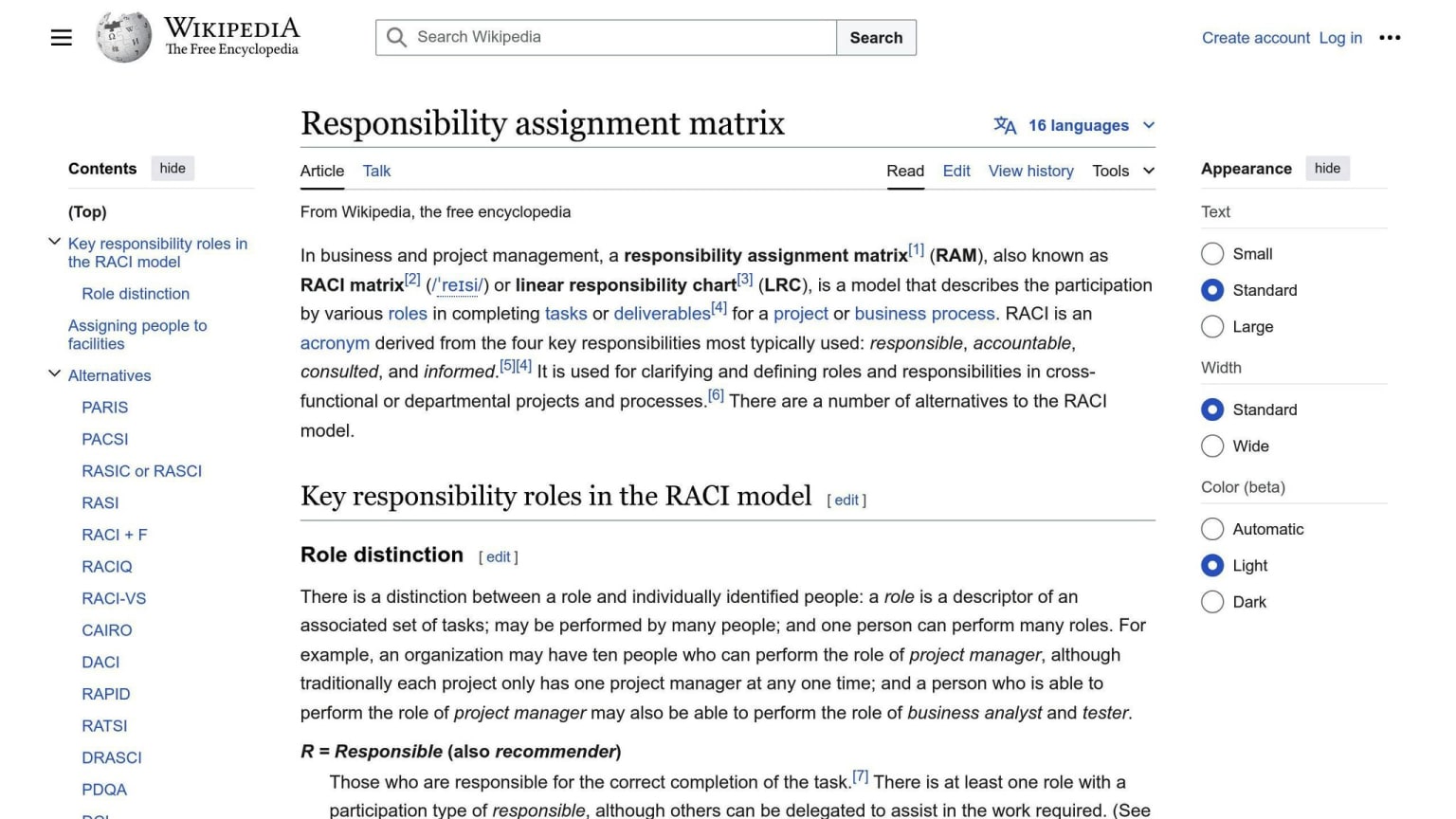
A RACI chart shows who does what in a team. It tells you:
- Who does the work (Responsible)
- Who makes sure it's done (Accountable)
- Who to ask for help (Consulted)
- Who needs to know about it (Informed)
Here's an example:
| Task | Who Does It | Who Checks | Who Helps | Who Knows |
|---|---|---|---|---|
| Write User Stories | Product Owner | Product Owner | Team Members | Stakeholders |
| Pick What to Do First | Product Owner | Product Owner | Team Members | Stakeholders |
Update Roles Often
As work changes, roles might need to change too. To keep roles clear:
- Talk about roles in team meetings
- Let people say if their job is changing
- Write down any changes so everyone knows
Tip 5: Solve Problems as a Team
Working together to fix issues helps Agile teams deal with problems better. When team members share their ideas and skills, they can find good solutions for everyone. Here are three ways to help your team solve problems together:
Hold Brainstorming Sessions
Brainstorming helps teams come up with lots of ideas to fix conflicts. To do a good brainstorming session:
- Get all team members in a quiet room
- Tell everyone what problem you want to fix
- Let people share any ideas without judging
- Write ideas on sticky notes or a whiteboard
- Set a timer for 10-15 minutes to keep focus
Here's an example of a brainstorming session:
| Idea | Who Thought of It | Why It's Good |
|---|---|---|
| Make a shared file for project updates | John | Helps everyone know what's happening |
| Have a quick daily meeting | Emily | Keeps the team working well together |
| Use a tool to give out tasks | David | Makes work easier to organize |
Find the Main Cause
To fix problems well, you need to know what started them. Ask questions like:
- What made the problem start?
- What are the big worries?
- How does this problem affect the team or project?
Use the "5 Whys" method to find the main cause:
| Question | Answer |
|---|---|
| Why did the problem happen? | Team members didn't agree on what to do first |
| Why was that? | They didn't talk to each other well |
| Why didn't they talk well? | They didn't know the project goals clearly |
| Why didn't they know the goals? | They understood the goals differently |
| What's the real problem? | The project goals weren't explained well |
Ask 'Why' Five Times
Asking "why" five times helps you find the real cause of a problem. Keep asking "why" until you get to the main issue.
Here's an example:
| Question | Answer |
|---|---|
| Why did the team member miss the deadline? | They had too much work |
| Why did they have too much work? | They didn't choose what to do first |
| Why didn't they choose? | They didn't know what was most important |
| Why didn't they know? | The goals weren't explained well |
| Why weren't they explained well? | The project manager didn't make them clear |
Conclusion
Summary of Tips
Here's a quick look at the five tips for fixing problems in Agile teams:
| Tip | What to Do |
|---|---|
| 1. Talk openly | Make it easy for team members to share their thoughts |
| 2. Use Agile meetings | Have daily stand-ups, look back at work, and plan sprints |
| 3. Understand feelings | Know yourself, listen well, and care about others |
| 4. Make jobs clear | Say who does what and update when things change |
| 5. Fix problems together | Think of ideas, find what caused the problem, and ask why |
Keep Getting Better
Fixing problems is something teams need to work on all the time. Here's how Agile teams can keep getting better at it:
- Ask for feedback: Get team members' thoughts on how to fix problems and make changes based on what they say.
- Check how it's going: Look at how well the team is fixing problems and change things if needed.
- Learn new skills: Help team members learn how to fix problems better.
- Make a good team feeling: Help everyone talk openly, respect each other, and care about how others feel.
More Information
Books to Read
Here are some helpful books about fixing problems in Agile teams:
| Book Title | Author | What It's About |
|---|---|---|
| Agile Conflict Resolution | Kenneth S. Rubin | How to fix problems in Agile teams, talking better, working together, and understanding feelings |
| Coaching Agile Teams | Lyssa Adkins | How to help Agile teams work better, including fixing problems and making the team work well together |
| The Five Dysfunctions of a Team | Patrick Lencioni | A story about team problems and how to fix them |
Online Training
To learn more about fixing problems in teams, try these online classes:
| Class Name | Where to Find It | What You'll Learn |
|---|---|---|
| Conflict Resolution in Agile Teams | Coursera | How to fix problems in Agile teams, talk better, listen well, and solve issues |
| Agile Team Facilitation | edX | How to help Agile teams work together, including fixing problems and working as a team |
| Emotional Intelligence at Work | LinkedIn Learning | How to understand your own and others' feelings at work, and how to talk better with people |
These books and classes can help you learn how to fix problems in Agile teams. By learning these skills, you can be a better team member and leader.