Comparison of FIPS 140 and CMMC cryptography standards for cybersecurity. Learn about encryption methods, key management, certification processes, and compliance checks.
FIPS 140 and CMMC are two key standards for cryptography and cybersecurity:
- FIPS 140: US government standard for cryptographic modules
- CMMC: DoD standard for overall cybersecurity maturity
Here's a quick comparison:
| Feature | FIPS 140 | CMMC |
|---|---|---|
| Focus | Cryptographic modules | Overall cybersecurity |
| Users | Federal agencies, contractors | DoD contractors, suppliers |
| Levels | 4 security levels | 5 maturity levels |
| Certification | NIST validation | CMMC AB assessment |
| Time to comply | 9-18 months | 3-24 months |
Key points:
- Both aim to protect sensitive data
- Use similar encryption tools (AES, RSA, SHA)
- CMMC requires FIPS-validated cryptography for CUI
- Organizations may need to follow both standards
- Standards likely to evolve with new security threats
Understanding both is crucial for handling sensitive government and defense data.
Related video from YouTube
2. What is FIPS 140?
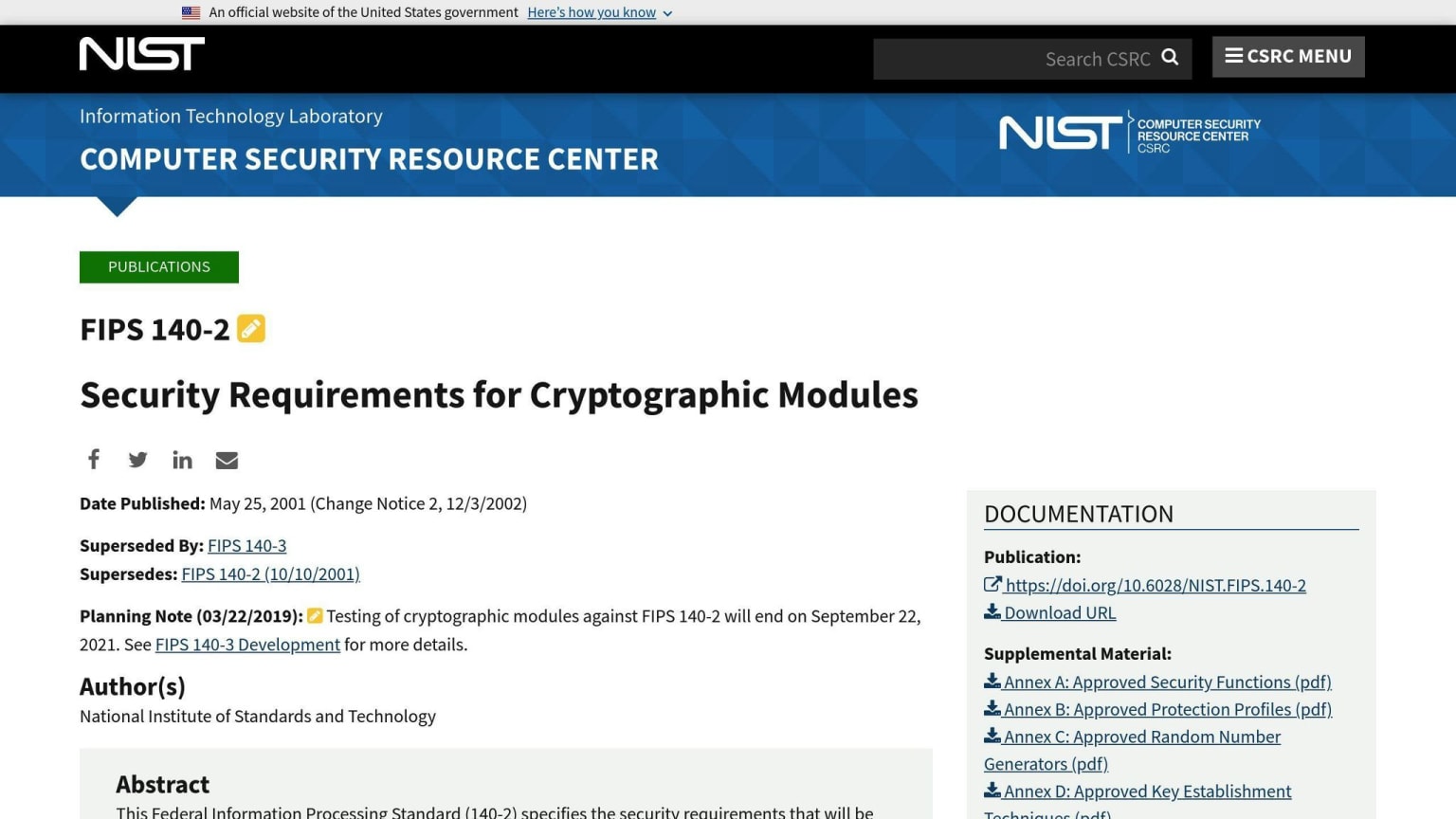
2.1 FIPS 140 Explained
FIPS 140 is a US government standard for cryptographic modules. It stands for Federal Information Processing Standard Publication 140. This standard checks and approves the hardware, software, or firmware that do cryptographic tasks. FIPS 140 makes sure these modules are secure enough to protect sensitive data.
2.2 Main Parts of FIPS 140
FIPS 140 has four key areas:
| Area | Description |
|---|---|
| Security Requirements | Rules for how cryptographic modules should work to be secure |
| Module Validation | Testing process to check if modules meet security rules |
| Algorithm Validation | Testing process to check if the math formulas used are correct |
| Physical Security | Rules for how to protect the actual hardware of the modules |
2.3 FIPS 140 Security Levels
FIPS 140 has four security levels, from Level 1 (basic) to Level 4 (strongest):
| Level | Features |
|---|---|
| 1 | Basic design and testing |
| 2 | Adds physical security (e.g., locks) |
| 3 | Adds protection against environment (e.g., temperature) |
| 4 | Highest security, protects against complex attacks |
Each level builds on the one before it, adding more security features.
3. What is CMMC?
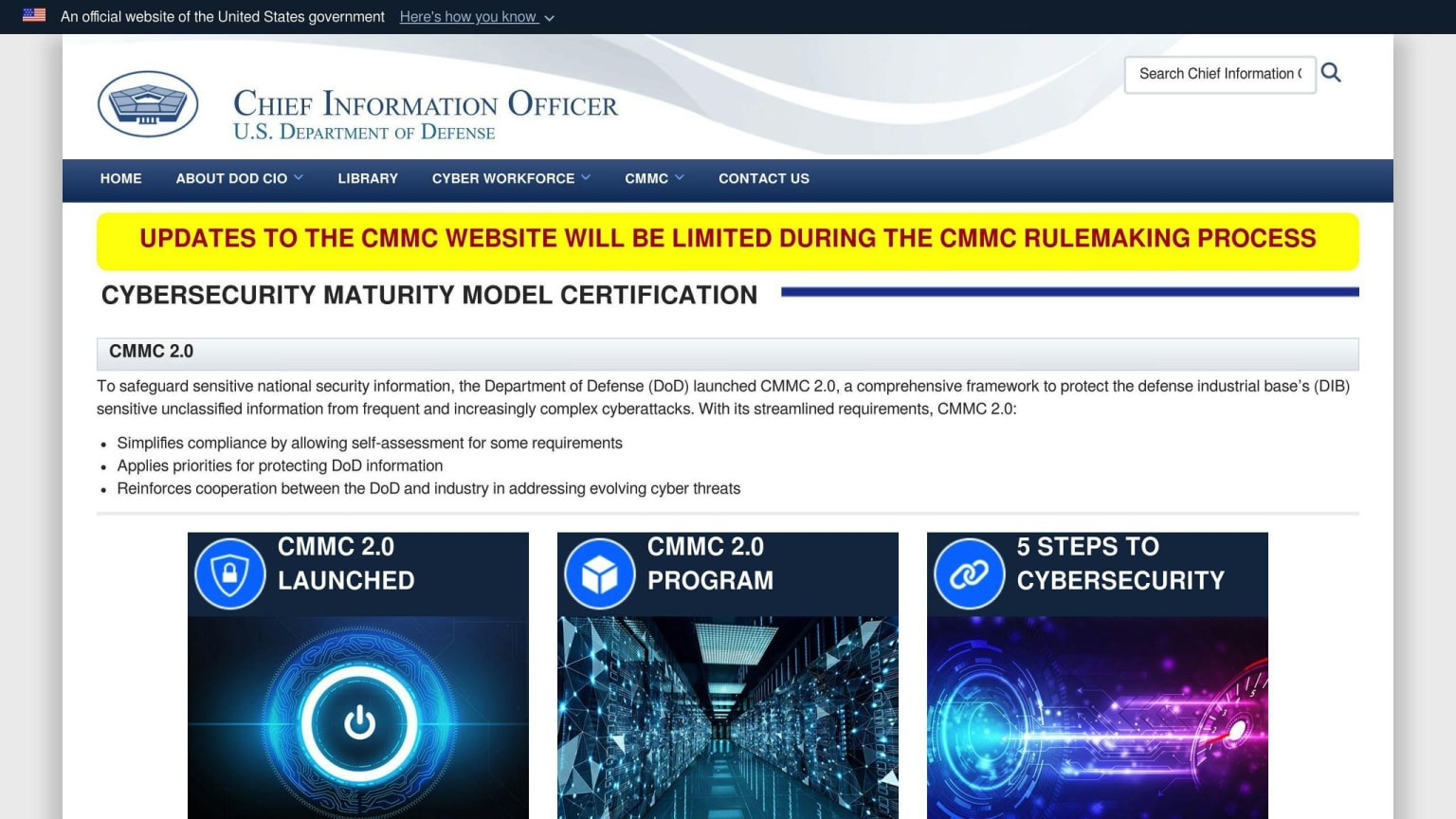
3.1 CMMC Explained
CMMC stands for Cybersecurity Maturity Model Certification. It's a standard set by the US Department of Defense (DoD) to check how well organizations protect sensitive data. This includes:
- Controlled Unclassified Information (CUI)
- Federal Contract Information (FCI)
CMMC uses five levels to measure an organization's cybersecurity skills.
3.2 CMMC Maturity Levels
CMMC has five levels, each showing better cybersecurity:
| Level | What it Means |
|---|---|
| 1 | Basic cyber safety |
| 2 | Better cyber safety |
| 3 | Good cyber safety |
| 4 | Strong cyber safety |
| 5 | Top cyber safety |
Each level adds more security measures to the one before it.
3.3 CMMC Cryptography Rules
CMMC has specific rules for cryptography:
| Rule | Description |
|---|---|
| Use approved methods | Only use cryptography methods that are okay'd by experts |
| Manage keys safely | Keep the "keys" that unlock encrypted data very safe |
| Protect data | Keep data safe when it's being sent and when it's stored |
| Use safe communication | Use secure ways to send data, like HTTPS and SFTP |
CMMC also says organizations need a plan for how they'll use and manage cryptography.
These rules help make sure that sensitive data stays safe from:
- People who shouldn't see it
- Changes that shouldn't happen
- Being destroyed
By following these rules, organizations can keep their data safe and follow DoD rules.
Next, we'll look at how FIPS 140 and CMMC cryptography rules are alike and different.
4. FIPS 140 vs. CMMC: Cryptography Rules
4.1 Who Needs to Follow Each Standard
FIPS 140 and CMMC have different rules and apply to different groups:
| Standard | Who It's For | What It Covers |
|---|---|---|
| FIPS 140 | Federal agencies, contractors, organizations handling sensitive government data | Cryptographic modules used to protect sensitive information |
| CMMC | DoD contractors, subcontractors, suppliers | Protection of Controlled Unclassified Information (CUI) and Federal Contract Information (FCI) |
Some organizations may need to follow both standards if they work with the DoD and handle sensitive government data.
4.2 Encryption Methods and Key Management
Both standards require approved encryption methods and good key management:
| Aspect | FIPS 140 | CMMC |
|---|---|---|
| Encryption methods | Specific approved algorithms (e.g., AES, RSA) | Approved algorithms, including more options like elliptic curve cryptography |
| Key management | Basic secure practices | More detailed requirements for storage and key removal |
4.3 How to Check Compliance
Organizations can check if they're following the rules in different ways:
| Method | FIPS 140 | CMMC |
|---|---|---|
| Self-check | Yes | Yes |
| Outside audit | Yes | Yes |
| Official program | FIPS 140 validation program by NIST | CMMC assessment program by CMMC Accreditation Body |
4.4 Comparison Table
Here's a quick look at how FIPS 140 and CMMC compare:
| Feature | FIPS 140 | CMMC |
|---|---|---|
| Encryption methods | AES, RSA | AES, RSA, elliptic curve |
| Key management | Basic secure practices | Detailed storage and removal rules |
| Compliance check | FIPS 140 validation | CMMC assessment |
| Who uses it | Federal agencies and contractors | DoD contractors and suppliers |
5. Main Differences Between FIPS 140 and CMMC
5.1 How to Get Certified
FIPS 140 and CMMC have different ways to get certified:
| Standard | Certification Process | Steps |
|---|---|---|
| FIPS 140 | NIST validation | 1. Make a cryptographic module that meets FIPS 140 rules 2. Send the module to NIST 3. Pass NIST's tests |
| CMMC | CMMC AB assessment | 1. Figure out which CMMC level you need 2. Set up the right security measures 3. Have a CMMC AB assessor check your work 4. Get certified at your level |
5.2 Time to Comply
Getting certified takes different amounts of time:
| Standard | Time to Comply | Details |
|---|---|---|
| FIPS 140 | 9-18 months | • 6-12 months to make and test the module • 3-6 months for NIST to check it |
| CMMC | 3-24 months | • Level 1: 3-6 months • Level 2: 6-12 months • Level 3: 1-2 years |
5.3 Which Industries Are Affected
FIPS 140 and CMMC apply to different groups:
| Standard | Who It's For |
|---|---|
| FIPS 140 | • Federal agencies • Contractors with sensitive government data • Groups that need very secure cryptographic tools |
| CMMC | • DoD contractors and subcontractors • Suppliers who handle CUI and FCI |
5.4 Differences Table
| Feature | FIPS 140 | CMMC |
|---|---|---|
| Who checks | NIST | CMMC AB assessor |
| Time to get ready | 9-18 months | 3-24 months |
| Who uses it | Federal agencies, contractors | DoD contractors, suppliers |
| What it checks | How secure cryptographic tools are | How good overall cybersecurity is |
| Levels | 4 security levels | 5 maturity levels |
6. How FIPS 140 and CMMC Are Similar
6.1 Common Security Goals
FIPS 140 and CMMC both aim to keep sensitive information safe. They do this by:
- Stopping people who shouldn't see the data from seeing it
- Making sure no one changes the data without permission
- Checking that the data is real and hasn't been faked
Both standards focus on:
- Keeping encryption keys safe
- Using good ways to encrypt and decrypt data
- Checking security often to make sure it's working well
6.2 Shared Encryption Standards
FIPS 140 and CMMC use the same basic encryption tools:
| Encryption Tool | What It Does |
|---|---|
| AES | Protects data using the same key to lock and unlock |
| RSA | Uses different keys for locking and unlocking, good for sending data safely |
| SHA | Checks if data has been changed |
These tools help both standards keep data safe in the same ways.
6.3 Similarities Table
| Feature | FIPS 140 | CMMC |
|---|---|---|
| Main Goal | Keep sensitive data safe | Keep sensitive data safe |
| Encryption Tools | AES, RSA, SHA | AES, RSA, SHA |
| Key Safety | Make, share, and store keys safely | Make, share, and store keys safely |
| Security Checks | Test security often | Test security often |
Both FIPS 140 and CMMC use these features to make sure data stays safe and private.
7. What This Means for Organizations
7.1 Choosing Between FIPS 140 and CMMC
When deciding which standard to follow, organizations should look at their specific needs:
| Standard | Best For | Key Features |
|---|---|---|
| FIPS 140 | Government agencies and contractors | • Clear rules for cryptographic tools • Often needed for federal contracts |
| CMMC | DoD contractors and suppliers | • Focuses on overall cybersecurity • Required for DoD work |
Organizations should pick based on their main work and clients. Those working with general government agencies might prefer FIPS 140, while those in defense should choose CMMC.
7.2 Following Both Standards
Some organizations might need to follow both FIPS 140 and CMMC. This can be tricky, but there are ways to make it easier:
- Find where the standards overlap
- Make a plan that covers both sets of rules
- Use tools that meet both standards' requirements
- Check and update the plan regularly
By doing these things, organizations can meet both standards without doubling their work.
7.3 Costs and Resources Needed
Following FIPS 140 and CMMC takes time and money. Organizations need to think about:
| Cost Area | Examples |
|---|---|
| Tools and practices | Buying and using secure software and hardware |
| Training | Teaching staff about the standards |
| Checks | Regular security tests |
| Updates | Keeping everything up to date |
The exact costs depend on how big the organization is and what security they already have. To plan for these costs, organizations should:
- Check what they need to improve
- Make a detailed plan
- Set a budget and timeline
- Keep checking and updating their plan
While it costs money to follow these standards, it helps keep data safe and builds trust with customers and partners.
8. What's Next for FIPS 140 and CMMC
8.1 Expected Changes to Standards
As new threats appear, FIPS 140 and CMMC will likely change to stay useful. Here are some possible updates:
| Standard | Possible Changes |
|---|---|
| FIPS 140 | • New ways to encrypt data • Rules for securing Internet of Things devices • Better ways to test security |
| CMMC | • Cover more areas of cybersecurity • Clearer instructions on how to follow the rules • More focus on keeping the supply chain safe |
These changes will help both standards keep sensitive data safe as technology changes.
8.2 Will Standards Become More or Less Alike?
As FIPS 140 and CMMC change, they might become more similar in some ways, but they'll still be different overall. Here's why:
- Similar goals: Both want to keep data safe, private, and correct. They might use some of the same security methods.
- Different focus: FIPS 140 will still be about encryption tools, while CMMC will look at all parts of cybersecurity for DoD suppliers.
Companies should keep an eye on changes to both standards and update their security plans when needed.
| Aspect | FIPS 140 | CMMC |
|---|---|---|
| Main focus | Encryption tools | Overall cybersecurity |
| Who uses it | Government agencies and contractors | DoD suppliers |
| What might change | Encryption methods, testing process | Scope of security measures, assessment details |
9. Conclusion
9.1 Key Points Review
Let's go over the main points about FIPS 140 and CMMC:
| Aspect | FIPS 140 | CMMC |
|---|---|---|
| Focus | Cryptographic modules | Overall cybersecurity |
| Who uses it | Federal agencies and contractors | DoD suppliers |
| Levels | 4 security levels | 5 maturity levels |
| Main goal | Secure encryption tools | Protect sensitive defense data |
Both standards help keep sensitive data safe, but they do it in different ways.
9.2 Why Knowing Both Standards Matters
It's important to understand both FIPS 140 and CMMC if you work with sensitive data, especially in defense. Here's why:
- Following the rules: You need to meet both standards' requirements to handle sensitive data properly.
- Keeping data safe: Both standards help protect important information from threats.
- Staying current: As technology changes, these standards might change too. It's important to keep up with any updates.
FAQs
Does CMMC require FIPS?
CMMC needs FIPS-validated cryptography, but only for Controlled Unclassified Information (CUI). Here's a breakdown:
| Information Type | FIPS Requirement |
|---|---|
| CUI | FIPS-validated cryptography needed |
| Federal Contract Information (FCI) | FIPS-validated cryptography not needed |
Is FIPS required for CMMC?
FIPS is needed for CMMC, but only for CUI. Here's what you need to know:
| Aspect | Requirement |
|---|---|
| Handling CUI | Use FIPS 140 standard cryptographic tools |
| Handling FCI | FIPS-validated cryptography not needed |
When setting up your CMMC-compliant cybersecurity program, keep these differences in mind. Make sure you use the right tools for each type of information you handle.
![Top 10 Threat Modeling Tools Compared [2024]](https://media.daily.dev/image/upload/s--AF9iMevQ--/c_limit,dpr_auto,f_auto,q_auto,w_1024/v1/recruiter-landing/663660ef001a4a617617600c_0d6540a810a447b1582ac937b7524ed5_b478eb4169)