

Explore the security differences between open source and proprietary software, including transparency, patch deployment, and community roles in vulnerability management.
Open source software offers superior security through transparency and community involvement. The publicly available code undergoes rigorous scrutiny, enabling rapid identification and patching of vulnerabilities. The open source community plays a crucial role in vulnerability management, ensuring timely patch deployment.
In contrast, proprietary software relies on in-house security teams and may prioritize patches based on company schedules, potentially leaving users exposed to risks for longer periods.
Key Differences:
Security Feature
Open Source
Proprietary
Code Transparency
Public code review
No public access to code
Patch Deployment
Faster due to community
Slower, company-scheduled
Vulnerability Management
Community-driven
In-house security teams
Security Through Obscurity
Not relied upon
May rely on obscurity
When choosing software, evaluate your security needs, community support, innovation potential, long-term viability, and cost. While open source software offers security advantages through transparency and community involvement, proprietary software may be suitable for projects with specific requirements or controlled environments.
Related video from YouTube
Open Source Software Security
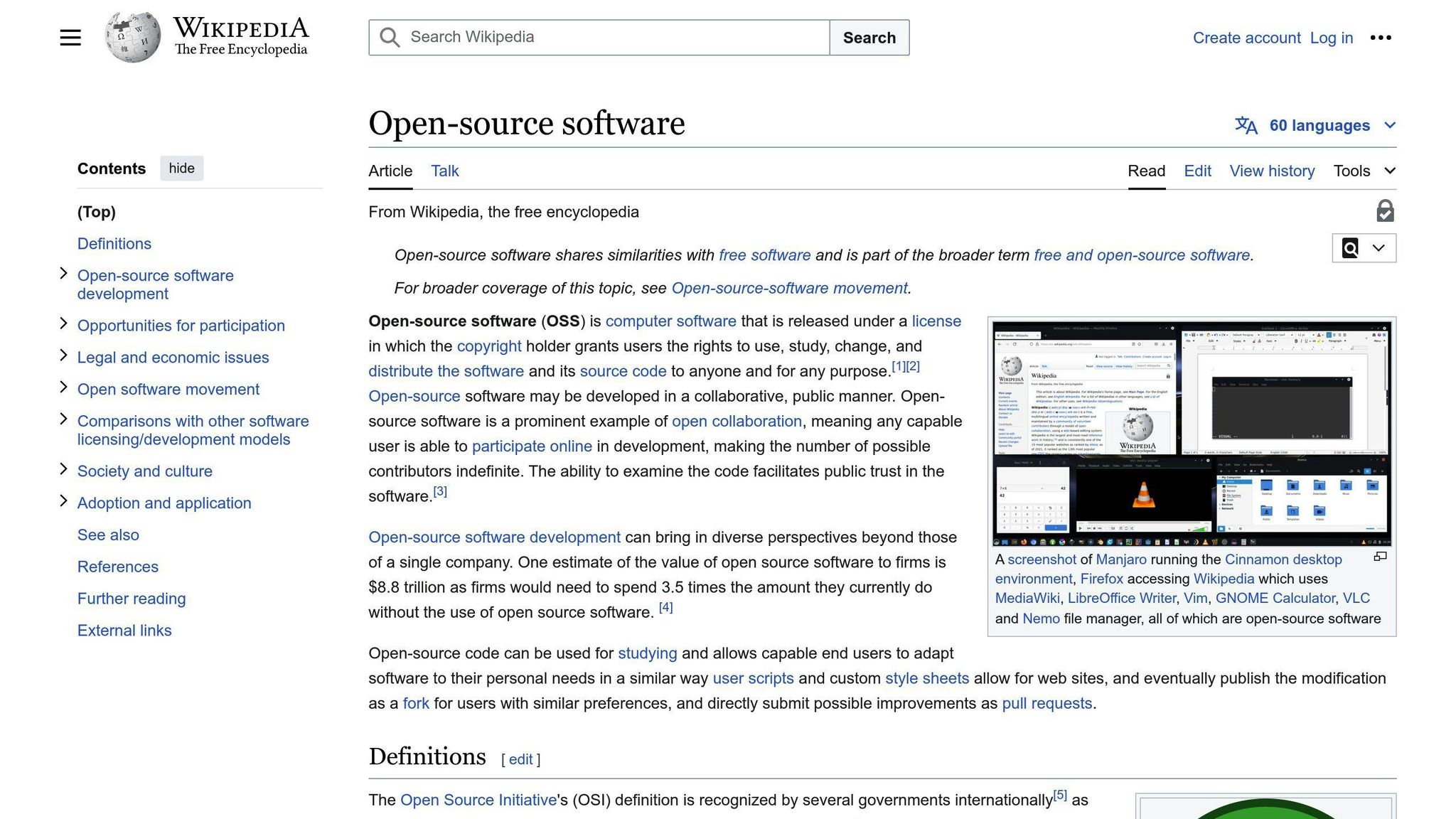
Open source software security is a critical aspect of software development. It's essential to understand the security features and community practices that underpin open source software.
Code Transparency and Security Review
One significant advantage of open source software is its transparency. The open source code is available for anyone to review, modify, and distribute. This transparency leads to rigorous security scrutiny, as many eyes are on the code, identifying vulnerabilities and reporting them.
Advantages
Disadvantages
Many eyes on the code
Vulnerabilities exposed to potential attackers
Rigorous security scrutiny
Requires constant monitoring and updating
Community Role in Vulnerability Management
The open source community plays a vital role in identifying and fixing vulnerabilities. The community is distributed, and collaboration is encouraged, which leads to rapid patch deployment.
Community Benefits
Description
Rapid patch deployment
Fixes are implemented quickly
Collective effort
Many experts work together to identify and fix vulnerabilities
Platform for reporting vulnerabilities
Helps in identifying and fixing vulnerabilities quickly
Debunking Security Through Obscurity
One common misconception is that less visibility equates to better security. However, this is not the case. Open source software debunks this myth, as its transparency leads to better security.
In conclusion, open source software security is critical, and its transparency leads to better security. The open source community's collective effort in identifying and fixing vulnerabilities ensures that the software remains secure and reliable. While there are challenges, the benefits of open source software security far outweigh the risks.
Proprietary Software Security
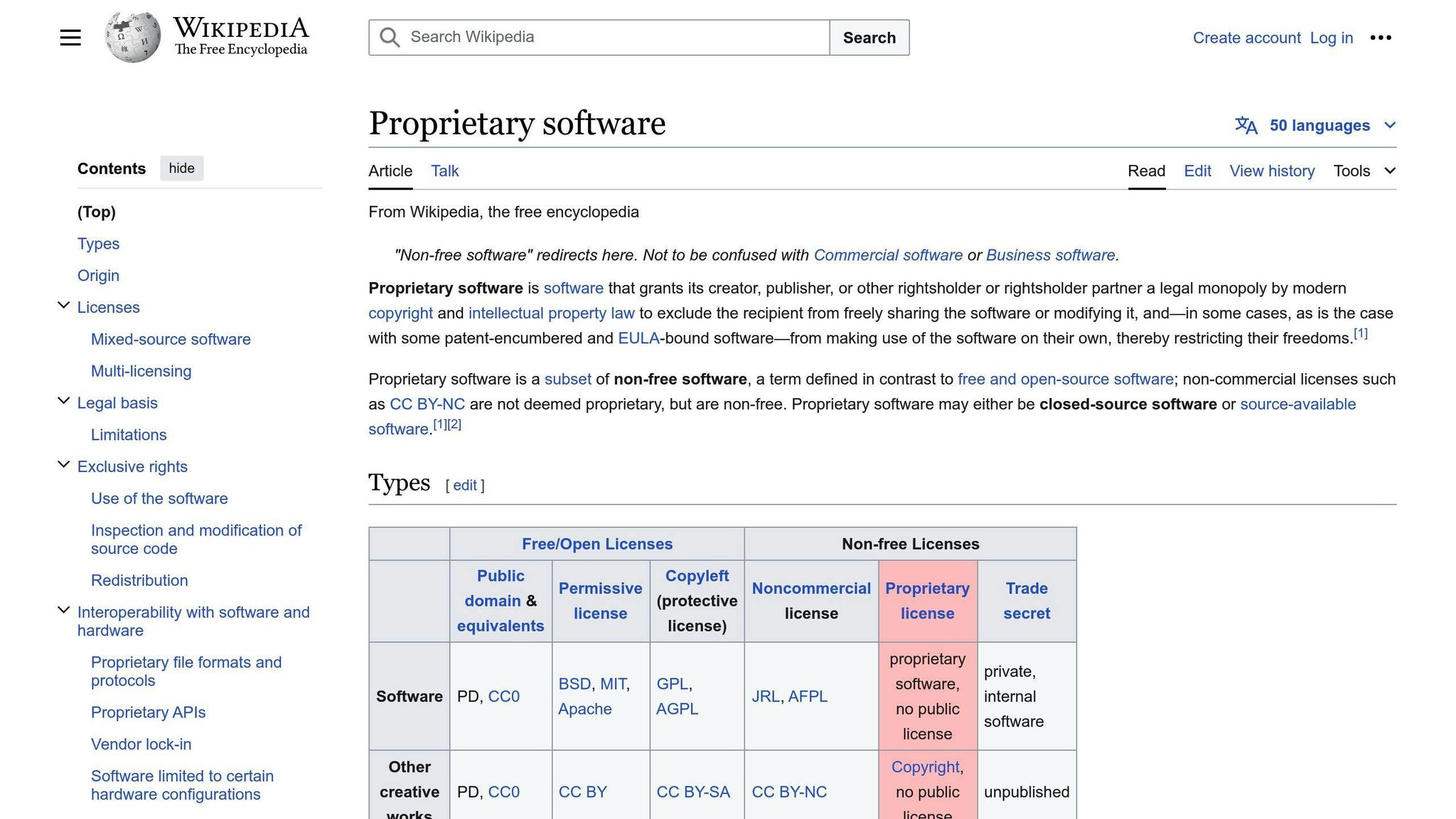
Proprietary software security relies on the company's internal security mechanisms, which can be both beneficial and limiting.
In-House Security Teams
Proprietary software companies have dedicated security teams responsible for identifying and addressing vulnerabilities. These teams work closely with the development team to ensure security is integrated into the development process.
Advantages
Disadvantages
Faster response times
Limited resources and expertise
Control over patch deployment
May prioritize patches based on company schedules
Patch Management Process
The patch management process in proprietary software can be slower compared to open source software. Since proprietary software companies have complete control over their code, they may not feel the same sense of urgency to release patches quickly.
Patch Management
Description
Slower patch deployment
May leave users exposed to security risks
Prioritization based on company schedules
May not address urgent vulnerabilities
Vulnerability Disclosure Practices
Proprietary software companies have their own policies and practices for disclosing vulnerabilities. While some companies may be transparent about vulnerabilities and provide timely patches, others may not disclose vulnerabilities at all or may take a long time to release patches.
Vulnerability Disclosure
Description
Transparent disclosure
Provides timely patches and informs users
Non-disclosure
May hide vulnerabilities and leave users unaware
Delayed disclosure
May take a long time to release patches, leaving users exposed
sbb-itb-bfaad5b
Security Features Comparison
This section compares the security features of open source and proprietary software, highlighting their strengths and weaknesses.
Open Source vs. Proprietary Security Table
Security Feature
Open Source
Proprietary
Code Transparency
Publicly available for review and audit
Not publicly available, only accessible to developers
Patch Deployment
Faster deployment due to community involvement
Slower deployment, may prioritize patches based on company schedules
Resource Allocation
Community-driven, with many contributors
Limited resources, dependent on company investment
Vulnerability Management
Community involvement in identifying and addressing vulnerabilities
In-house security teams responsible for identifying and addressing vulnerabilities
Security Through Obscurity
Not relied upon, as security through obscurity is not a reliable method
May rely on security through obscurity, which is not a reliable method
Cost
Free or low-cost, with optional support and services
Can be expensive, with licensing fees and support costs
Customizability
Highly customizable, with access to source code
Limited customizability, with limited access to source code
Security Updates
Regular updates, with community involvement
Regular updates, but may be slower than open source
This table provides a concise comparison of the security features of open source and proprietary software, highlighting their strengths and weaknesses. Open source software offers code transparency, faster patch deployment, and community involvement in vulnerability management, while proprietary software relies on in-house security teams and may prioritize patches based on company schedules.
Choosing Software for Your Needs
When selecting software for your project, consider various factors, including security, usability, support, and community strength. This section outlines the primary considerations developers should keep in mind when making this critical decision.
Matching Security Requirements
Evaluate your project's security needs by asking:
- What are the potential risks and threats to my application?
- What are the regulatory and compliance requirements I need to meet?
- What security features do I need to prioritize?
Align your security needs with the characteristics of open source or proprietary software. For instance, if you require rapid patch deployment and community involvement in vulnerability management, open source software might be a better fit.
Other Selection Criteria
Beyond security, consider the following factors when selecting software:
Criteria
Description
Community support
Look for software with an active community, responsive maintainers, and a clear governance model.
Innovation potential
Choose software with a history of innovation and a clear roadmap.
Long-term viability
Evaluate the software's maintainability, scalability, and potential for future growth.
Usability and user experience
Consider the software's ease of use, documentation, and user interface.
Cost and licensing
Calculate the total cost of ownership, including licensing fees, support costs, and any additional expenses.
By carefully evaluating these factors, you can make an informed decision that meets your project's unique needs and ensures the security and success of your application.
Final Thoughts on Software Security
In software development, security is crucial. When choosing between open source and proprietary software, it's essential to consider the security implications of each option.
Security Insights Summary
We've discussed the security benefits and drawbacks of open source and proprietary software. Open source software offers transparency, community involvement, and rapid patch deployment. Proprietary software provides a controlled environment, in-house security teams, and patch management processes.
Guidance for Security-Focused Choices
When making a security-driven choice between open source and proprietary software, consider the following:
Consideration
Description
Evaluate security needs
Align your project's security needs with the characteristics of each software type.
Community support
Look for software with an active community, responsive maintainers, and a clear governance model.
Innovation potential
Choose software with a history of innovation and a clear roadmap.
Long-term viability
Evaluate the software's maintainability, scalability, and potential for future growth.
Look beyond generalizations
Assess each platform's security features, vulnerabilities, and patch management processes.
By following these guidelines, developers can make informed security-focused choices and ensure the success and security of their applications.
FAQs
Why do open source operating systems have a security advantage?
Open source software has a security advantage due to its transparency. Since the source code is available for review, it's harder for malicious code to remain hidden. This transparency allows for community involvement and rapid patch deployment, making open source operating systems a more secure choice.
How does the open source community contribute to software security?
The open source community plays a crucial role in identifying and addressing security vulnerabilities. With many eyes on the code, issues are reported and fixed quickly, reducing the risk of exploitation. The community-driven approach ensures that security patches are developed and deployed rapidly, minimizing the window of vulnerability.
Can proprietary software be more secure due to its closed nature?
While proprietary software may have some security benefits due to its closed nature, this is not a reliable approach to security. Closed source code can still contain vulnerabilities, and without community involvement, these issues may go undetected for longer periods. In-house security teams may not be able to identify and address all security concerns, making proprietary software potentially less secure than open source alternatives.


