Discover how Kanban enhances Agile teams by visualizing workflows, limiting work-in-progress, and promoting continuous improvement.
Kanban is a visual method for managing work that boosts efficiency in Agile teams. Here's what you need to know:
- Kanban uses boards with columns to show work stages
- It limits work-in-progress to prevent overload
- Kanban focuses on continuous flow and improvement
- It's flexible and can work with other Agile methods
Key Kanban principles:
- Start with what you're doing now
- Make small, incremental changes
- Keep current roles and responsibilities
- Encourage leadership at all levels
Main Kanban practices:
- Visualize workflow
- Limit work-in-progress (WIP)
- Manage flow
- Make process policies explicit
- Implement feedback loops
Quick Comparison: Kanban vs. Scrum
| Feature | Kanban | Scrum |
|---|---|---|
| Work Flow | Continuous | Fixed sprints |
| Roles | Flexible | Defined roles |
| Changes | Anytime | Not during sprint |
| Key Tool | Kanban board | Sprint backlog |
| Focus | Smooth workflow | Sprint goals |
| Main Metric | Lead/Cycle time | Velocity |
Kanban helps Agile teams by making workflows clear, encouraging steady delivery, allowing flexible planning, and supporting constant improvement.
Related video from YouTube
Key Kanban Principles
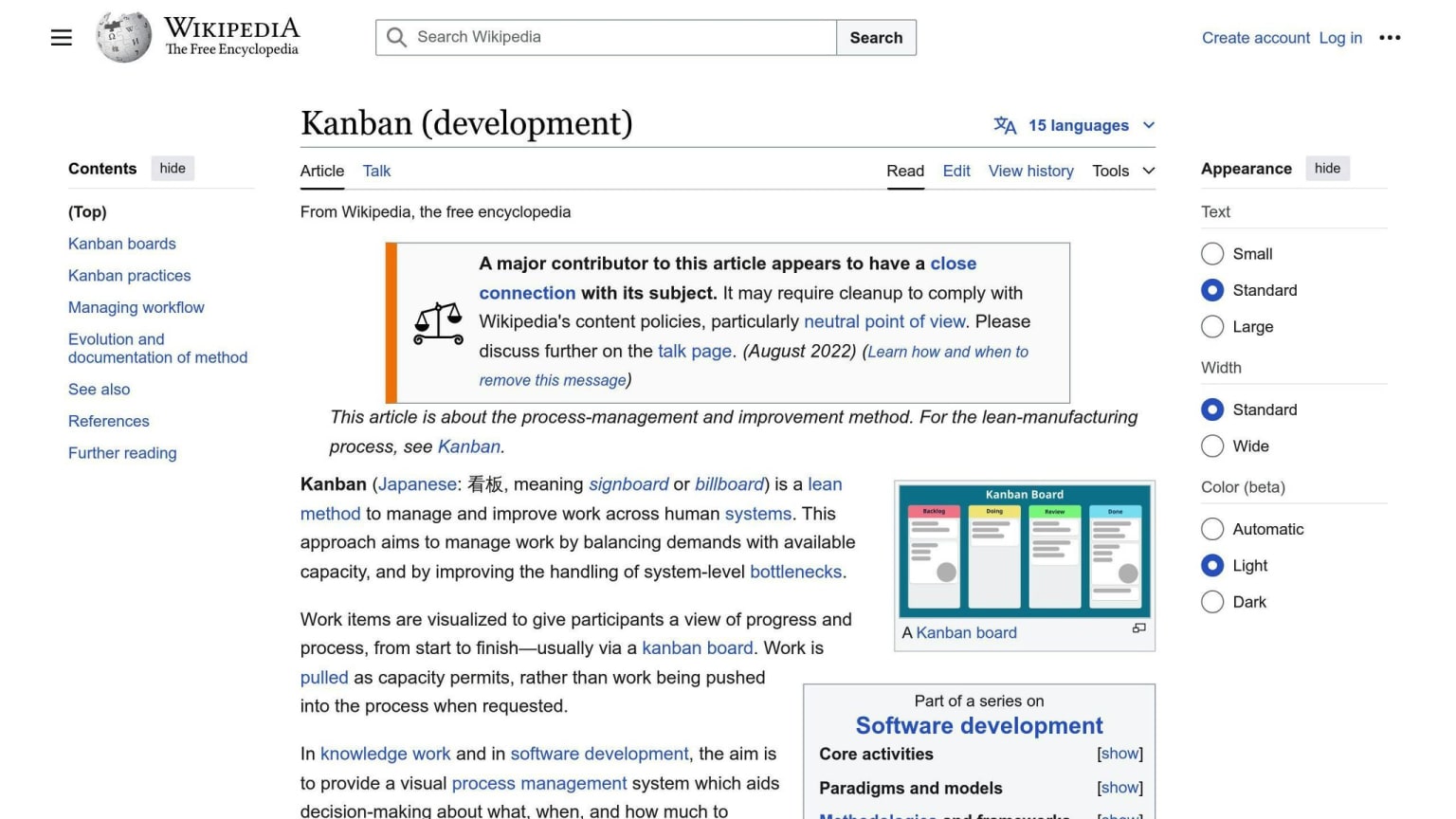
Kanban's core ideas boost Agile team performance. Here are the main principles:
Begin with Current Processes
Kanban doesn't demand a complete overhaul. It builds on your existing methods. This makes adoption smoother and less disruptive.
David J Anderson, Kanban's creator, puts it this way:
"Kanban recognizes the value of your existing processes and practices."
To get started:
- Examine your team's current workflow
- Map it out
- Spot areas for improvement
Make Small, Steady Changes
Kanban is all about gradual improvements, not big shake-ups. This approach:
- Cuts down on change resistance
- Allows quick tweaks
- Helps teams adapt over time
For instance, a team might start by just visualizing work on a board. Later, they can add work-in-progress limits.
Keep Current Roles and Tasks
No need for new job titles or a complete restructure with Kanban. It works with your existing setup, reducing stress and pushback.
Anderson notes:
"Being respectful helps reinforce the idea that Kanban will not be overly disruptive or completely change established operating models."
Encourage Leadership in All Team Members
Kanban empowers everyone to identify and fix issues. This:
- Boosts team engagement
- Speeds up problem-solving
- Improves overall efficiency
To implement this:
- Give all team members access to Kanban boards and metrics
- Encourage improvement suggestions from everyone
- Celebrate team member initiative
Main Kanban Practices
Kanban's strength is in how teams use it. Here are the key practices that make Kanban tick:
Show the Work Process
Kanban is all about seeing your work. Teams use boards to map out their process. Think "To Do", "Doing", and "Done" columns.
Tools like Trello, GitHub, and ProductPlan offer digital Kanban boards. These help teams:
- See task progress
- Spot bottlenecks
- Get real-time updates
Set Work-in-Progress Limits
WIP limits keep teams focused. They cap tasks at each stage.
"We doubled our throughput from 60 to 120 tickets in just three days after setting WIP limits", said an Aerosud IT manager.
To set good WIP limits:
- Check your team's capacity
- Start low
- Tweak based on data
Keep Work Moving
In Kanban, steady progress is key. To keep work flowing:
- Have daily stand-ups
- Fix blocked tasks fast
- Pull new work when you can
Make Work Rules Clear
Clear rules help work move smoothly. Teams should:
- Define when a task is "done"
- Set rules for moving tasks
- Write these down for everyone to see
Use Feedback to Get Better
Kanban is about always improving. Use feedback through:
- Team retrospectives
- Analyzing cycle times and throughput
- Adjusting WIP limits and workflow
Using Kanban in Agile Teams
Kanban can supercharge your agile team's workflow. Here's the lowdown:
Create a Kanban Board
Start simple: "To Do", "Doing", "Done." Add task cards.
Pro tip: Use Trello or GitHub for remote teams.
Identify Work Types
Group similar tasks. It's like sorting laundry, but for work.
| Work Type | What's That? |
|---|---|
| Features | New stuff |
| Bugs | Things to fix |
| Tech Debt | Code cleanup |
Set Work Limits
Cap tasks in each column. It's like a diet, but for your workflow.
Fun fact: Aerosud's IT team doubled their output in 3 days by setting work limits. From 60 to 120 tickets. BAM!
Use Work Lanes
Organize by type or team. It's like grocery store aisles, but for tasks.
| Urgent | Standard | Low Priority |
|---|---|---|
| Task 1 | Task 3 | Task 5 |
| Task 2 | Task 4 | Task 6 |
Use Pull Systems
Team members grab new work when ready. No overloading allowed.
Remember: Finish what's on your plate before getting seconds.
Kanban Measurements
Tracking the right metrics helps Agile teams improve their Kanban workflow. Here are three key measurements:
Task Start to Finish Time
This shows how quickly tasks move through your system:
- Lead Time: Task creation to completion
- Cycle Time: Active work time on task
| Metric | Measures | Why It Matters |
|---|---|---|
| Lead Time | Creation to completion | Process efficiency |
| Cycle Time | Active work time | Team productivity |
Short lead and cycle times? Your team's working efficiently.
Work Completion Rate
This counts completed tasks over time. It's your team's throughput.
Example:
- Week 1: 10 tasks
- Week 2: 8 tasks
- Week 3: 12 tasks
- Week 4: 10 tasks
Average throughput: 10 tasks per week.
Work Flow Charts
These visual tools spot bottlenecks and track progress:
- Cumulative Flow Diagram (CFD)
Shows task distribution across workflow stages. Helps identify:
- Process stability
- Bottlenecks
- Work in Progress (WIP) levels
- Burn Down Chart
Compares planned vs. completed tasks. Great for tracking sprint progress in Scrum-Kanban hybrid teams.
The Wizards, a cross-functional Scrum team, used these metrics to overhaul their work process. They cut delivery times by 80% in under 2 months.
Want to improve? Review these metrics during daily stand-ups. Keep measuring, keep improving!
Kanban vs. Other Agile Methods
Kanban and other Agile methods aim for the same goals but take different paths. Let's see how Kanban compares to other popular Agile frameworks.
Kanban and Scrum: A Quick Comparison
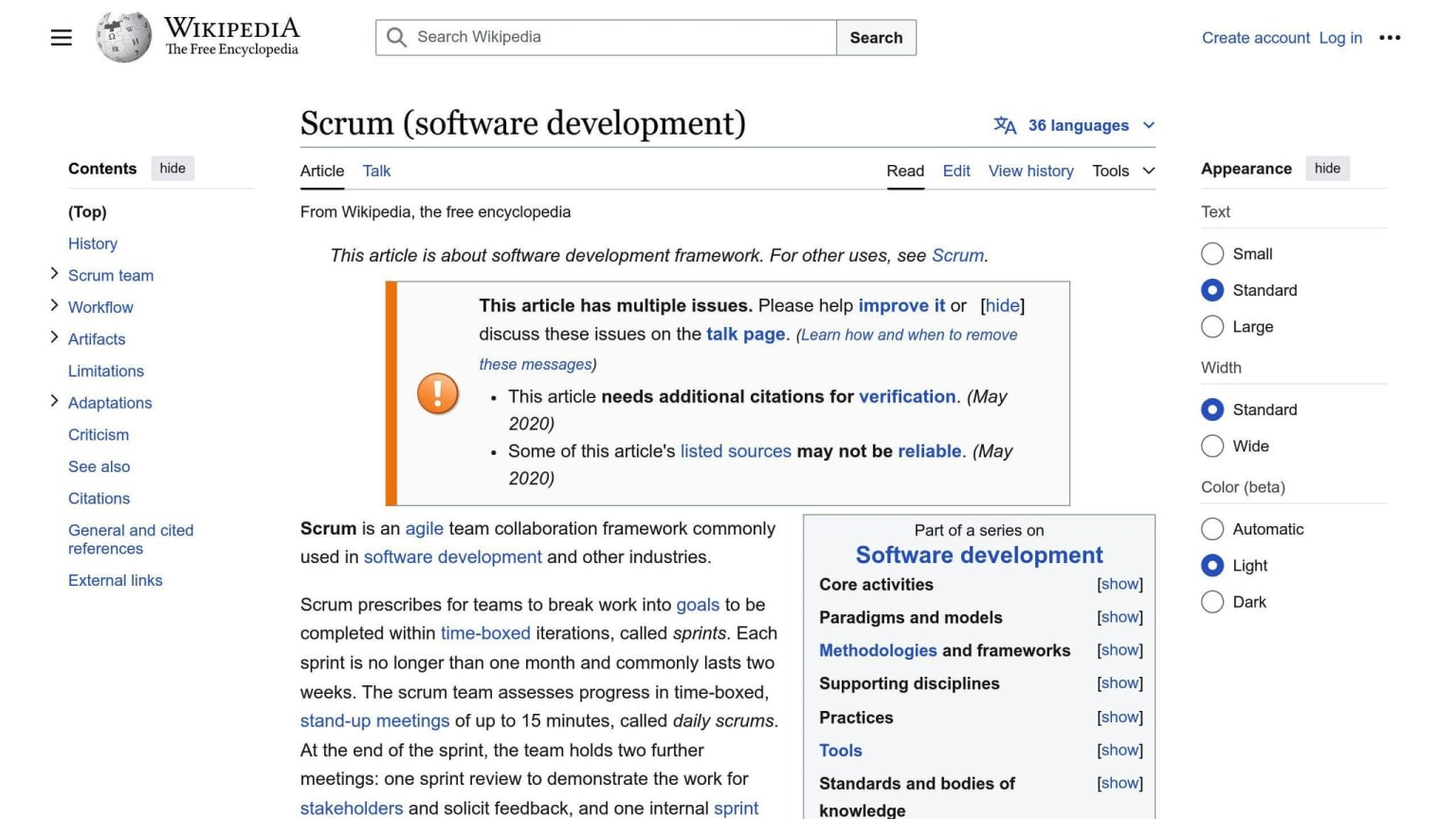
Kanban and Scrum are both Agile, but they're not twins:
| Feature | Kanban | Scrum |
|---|---|---|
| Work Flow | Non-stop | Sprints (1-4 weeks) |
| Roles | None set | Scrum Master, Product Owner, Dev Team |
| Changes | Anytime | Not mid-sprint |
| Key Tools | Kanban board | Product/Sprint backlogs, Increments |
| Main Focus | Smooth workflow | Sprint goals |
| Key Metrics | Lead/Cycle time | Velocity |
Kanban's flexibility is great for teams with shifting priorities. Take Spotify's engineering team - they use a Kanban-like system to handle their work. It lets them quickly adapt to new feature requests and bug fixes.
Mixing It Up
Kanban plays well with others:
Scrumban is like Scrum and Kanban had a baby. It uses Scrum's sprints with Kanban's visual board and work limits.
"We tried Scrumban at our software company. In just three months, we saw a 40% boost in productivity", says Sarah Chen, CTO of TechInnovate.
- Kanban in SAFe
The Scaled Agile Framework (SAFe) uses Kanban principles at different levels. Teams use Kanban boards to see and manage work within the bigger SAFe structure.
- Lean Kanban
Mix Lean principles with Kanban, and you get even more efficiency. Toyota, where Kanban started, still uses this approach. It's helped them cut inventory costs by 20%.
Common Problems and Fixes
Kanban in agile teams can be tricky. Here's how to tackle common issues:
Change Resistance
Teams often struggle with new methods. To smooth things out:
- Run Kanban workshops
- Show how it improves work visibility
- Start small: basic board, few columns
Work Limits
Work-in-Progress (WIP) limits are key, but tough to stick to. Try this:
- Set clear column limits
- Make limits visible
- Discuss limit breaches in stand-ups
Work Blockages
Stuck work slows everything down. Here's how to fix it:
- Flag stuck items
- Daily "blocker busting" sessions
- Add a "blocked" column
| Problem | Fix |
|---|---|
| Outdated board | Daily updates |
| Ignored WIP limits | Strict enforcement |
| No refinement | Regular sessions |
| Lack of feedback | Demo sessions |
| Quality issues | Define "Done" per column |
Robert Chittenden from TXM Lean Solutions says:
"Check all kanban cards regularly. Missing one means missing parts when you need them."
Tips for Kanban Success
To make Kanban work for your team, focus on these areas:
Always Look to Improve
Keep refining your process:
- Review your board setup weekly
- Ask team members about bottlenecks
- Try new column arrangements
Spotify's teams hold monthly "health check" meetings to spot areas for improvement in their Kanban boards.
Communicate Clearly
Open communication is crucial:
- Use daily stand-ups to discuss board updates
- Create a shared language for task statuses
- Encourage questions about work in progress
Atlassian found teams using Kanban with clear communication rules finished tasks 23% faster than those without.
Get Leader Support
Leader buy-in matters:
- Involve managers in Kanban planning
- Ask leaders to champion WIP limits
- Get executives to use Kanban for project tracking
| Leader Action | Team Benefit |
|---|---|
| Attend stand-ups | Shows process importance |
| Respect WIP limits | Prevents team overload |
| Use Kanban for own tasks | Leads by example |
Toyota, where Kanban started, credits strong leadership support for its successful use across the company.
"Leader involvement in Kanban isn't just helpful—it's essential. When leaders actively use and promote Kanban practices, teams are 3.5 times more likely to stick with the system long-term", says David Anderson, creator of the Kanban Method.
Conclusion
Kanban has become a go-to tool for Agile teams. It's all about visualizing work, spotting bottlenecks, and getting more done. Here's what you need to know:
- Kanban boards make work visible and help teams work smarter
- It limits work in progress to match what teams can actually handle
- The method fits well with existing processes and encourages constant improvement
- Teams often mix Kanban with other Agile methods, like Scrum (called Scrumban)
The numbers don't lie: 56% of teams use Kanban, and 27% use Scrumban. Kanban-based methods are clearly on the rise in Agile circles.
What's Next for Kanban?
Kanban's future in Agile looks bright:
- Going digital
With more people working remotely, digital Kanban boards are taking off. They offer:
- Work from anywhere
- Better for spread-out teams
- Play nice with other project tools
- AI and machine learning
Kanban's likely to be big in AI and machine learning development. Teams using it can:
- Keep the focus on what customers want
- Make sure AI is used responsibly
- Roll with the punches as tech changes
- Mixing it up
We'll see more teams combining Kanban with other methods:
| Mix | What it is | Why it's good |
|---|---|---|
| Scrumban | Scrum + Kanban | Structure meets flexibility |
| Kanban + Design Thinking | Visual management meets user-focused design | Better understanding of users |
Akshay Kothari, CPO of Notion, said about their Product Hunt launch: "The Product Hunt launch exceeded our wildest expectations and kickstarted our growth in ways we hadn't anticipated." It shows how Agile methods like Kanban can help teams handle unexpected success and growth.
FAQs
How is Kanban different from Scrum?
Kanban and Scrum are both Agile methods, but they're not twins. Here's the breakdown:
| Aspect | Kanban | Scrum |
|---|---|---|
| Focus | Cutting project time | Sprinting through work chunks |
| Work flow | Non-stop | Fixed time boxes |
| Changes | Flexible | Stick to the sprint |
| Board use | Always evolving | Fresh start each sprint |
Kanban teams use boards to see work and boost flow. Scrum teams sprint to deliver shippable bits.
What are the 5 key elements of a Kanban board?
David Anderson pinpointed these five Kanban board must-haves:
- Visual signals
- Columns
- Work-in-progress limits
- Commitment point
- Delivery point
These help teams see work, manage flow, and spot bottlenecks.
What are the 5 rules of Kanban?
Plot twist: Kanban has 6 core practices, not 5:
- Show the work
- Cap work-in-progress (WIP)
- Keep work flowing
- Spell out policies
- Set up feedback loops
- Team up to improve, test to evolve
These practices keep Kanban teams on track and constantly improving.